Restaurante con barra y mesas a la entrada y al fondo, salón comedor. Comimos menú del día (14 eur un festivo). Muy buena cantidad y calidad. La atención por parte de la camarera muy buena y atenta. Recomendable
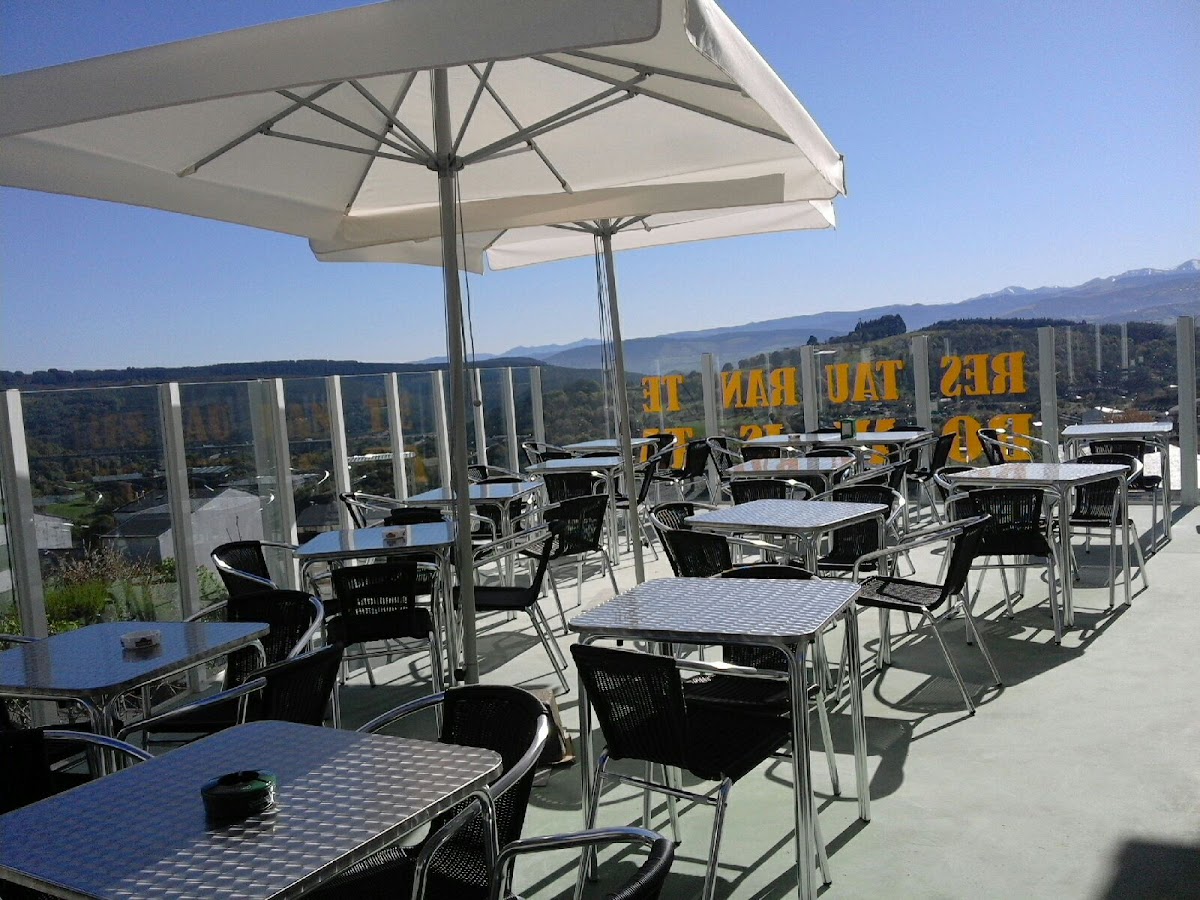
Overview
Walking into Restaurante Boavista on a quiet afternoon in Becerreá feels less like entering a business and more like stepping into someone’s home. Tucked along Rúa Eulogio Rosón, 23, 27640 Becerreá, Lugo, Spain, this local diner has earned its reputation the old-fashioned way: by feeding people well, consistently, and without pretending to be something it’s not. I first stopped here on a road trip through eastern Galicia, following a recommendation from a local shop owner who said, the place where truck drivers and families eat is always the right choice.
The dining room is simple and functional, which actually works in its favor. Nothing distracts from the menu, and that’s where Boavista really shines. Galician cuisine is known for respecting ingredients, and this restaurant follows that principle closely. The daily menu usually includes hearty soups, slow-cooked meats, and fresh fish depending on market availability. On my visit, the caldo gallego tasted exactly like the version I learned to make during a short cooking course in Lugo years ago: potatoes broken by hand, not sliced, and greens cooked just long enough to stay vibrant.
What stands out is how the kitchen operates. Instead of relying on pre-made components, dishes are built from scratch each morning. According to regional food studies published by the Xunta de Galicia, over 70% of traditional rural restaurants still prepare broths and stews fresh daily, and Boavista clearly falls into that group. You can taste it in the depth of flavor. The beef comes from local suppliers, similar to those recommended by the Galician Beef Regulatory Council, known for strict quality controls and traceability.
The menu changes subtly with the seasons, which keeps regulars coming back. In autumn, mushrooms and game dishes make an appearance. During summer, lighter plates and grilled items dominate. This adaptability reflects a broader trend noted by the Spanish Academy of Gastronomy, which emphasizes seasonal cooking as a marker of culinary authenticity. At Boavista, it’s not a trend; it’s just how things have always been done.
Service deserves its own mention. Reviews often highlight how staff remember returning customers, and that matched my experience. I watched the owner greet several diners by name, already knowing their usual order. That kind of familiarity builds trust, especially in small towns where word of mouth matters more than glossy advertising. It also explains why lunchtime can get busy quickly, particularly with workers from nearby locations.
Portion sizes are generous without being excessive, and prices stay reasonable. That balance is hard to achieve, especially with rising ingredient costs across Spain. The National Institute of Statistics reported a steady increase in food prices over the last few years, yet Boavista has managed to keep its offerings accessible, likely by maintaining close relationships with local producers.
There are limitations, of course. If you’re looking for avant-garde plating or an extensive wine list, this might not be your spot. The focus here is on solid food and a comfortable experience, not culinary experimentation. But for travelers passing through Lugo or locals wanting a dependable meal, those limitations hardly matter.
Restaurants like this play an important role in preserving regional food culture. Organizations such as the Michelin Guide have increasingly acknowledged traditional eateries for their consistency rather than innovation alone. While Boavista isn’t chasing accolades, it embodies the same values: respect for ingredients, honest cooking methods, and a dining experience shaped by years of real-world practice. That’s why it continues to earn loyal reviews and why it remains a reliable stop for anyone who values substance over spectacle.
Good to know
Service options
✓ Outdoor seating ✓ Takeaway ✓ Dine-in ✓ DeliveryHighlights
✓ Great coffee ✓ SportPopular for
✓ Breakfast ✓ Lunch ✓ Dinner ✓ Solo diningAccessibility
✓ Wheelchair-accessible entrance ✓ Wheelchair-accessible seatingOfferings
✓ Alcohol ✓ Beer ✓ Coffee ✓ Healthy options ✓ Private dining room ✓ Quick bite ✓ Salad bar ✓ Small plates ✓ Spirits ✓ WineDining options
✓ Breakfast ✓ Brunch ✓ Lunch ✓ Dinner ✓ Dessert ✓ Seating ✓ Table serviceAmenities
✓ Bar on site ✓ ToiletAtmosphere
✓ Casual ✓ Cosy ✓ QuietCrowd
✓ Family friendly ✓ Groups ✓ TouristsPlanning
✓ Accepts reservationsPayments
✓ Credit cards ✓ Debit cards ✓ NFC mobile payments ✓ Credit cardsChildren
✓ Good for kids ✓ High chairsParking
✓ Free of charge street parking ✓ Free parking lot ✓ ParkingPhotos
1 / 4
Location
Reviews
- No ratings yet 648 reviews
Confirmo las reseñas anteriores. Fuimos guiados por ellas y salimos encantados. Local limpio y espacioso. Muy buena atención por parte de los camareros y la comida impresionante. Volveremos.
Buen sitio,tranquilo con unas vistas estupendas, buena comida ,trato inmejorable, relación calidad precio de 10,...siempre recomendable y donde volver sin ninguna duda
La comida súper deliciosa y buena cantidad, volvere son dudarlo, ideal para comer de camino a piedrafita, los comentarios no decepcionaron todos tenían razón. Y unas vistas maravillosas.
Lugar ideal de comida casera, trato familiar y rápido. Menú de fin de semana. Todos los días tienen pulpo. PD: si te pilla de paso porque vas a la nieve te aconsejo ir temprano pues los comedores se llenan pronto.
Lugar muy recomendable. Menú muy rico por 13 euros... Paramos después de hacer un tramo de la Via Kuning...